What Is a Tughra? The Art of the Ottoman Sultan's Emblem
The parts, history and significance of the tughra, the sultan's signature and seal, and why it is deemed a masterpiece.
Arakiye Editor·7 July 2026·1 min read
The tughra is a special calligraphic composition that served as the Ottoman sultan's signature, seal and emblem. It stood at the head of decrees, coins and monuments.
Its parts: The 'sere' (base) is the lower body bearing the sultan's and his father's names; the 'beyze' is the two great loops opening to the left (symbolising the seas/cosmos); the 'tug' is the three upright elifs rising above; the 'zulfe' are their tips flung to the right; the 'kol' are the lines extending rightward.
History: Early tughras were plain; over time it became the most magnificent field of composition for celi sulus. Mustafa Rakim carried the tughra to its aesthetic summit.
Why a masterpiece? Because it turns a limited, obligatory text (a name + 'ever victorious') into a composition of infinite balance.
At Arakiye tughra and calligraphic compositions are interpreted with classical proportions; each work is signed by its master.
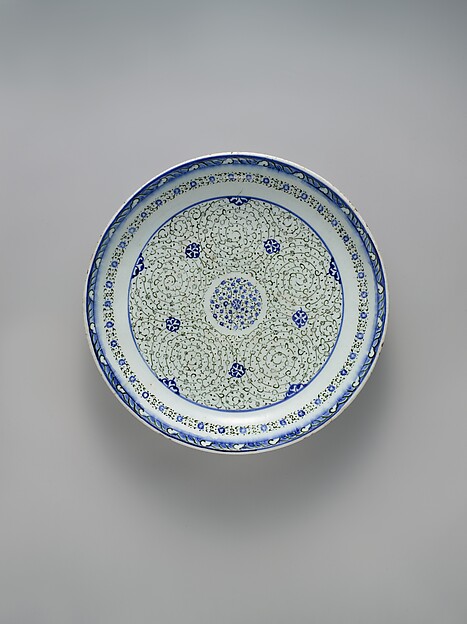
Works inspired by Iznik tiles
Explore the Tilework & Illumination collection.