What Is Iznik Tile? History, Colours and Motifs
The secret of Iznik tile, which peaked in the 16th century: coral red, the underglaze technique and saz-style motifs.
Arakiye Editor·7 July 2026·1 min read
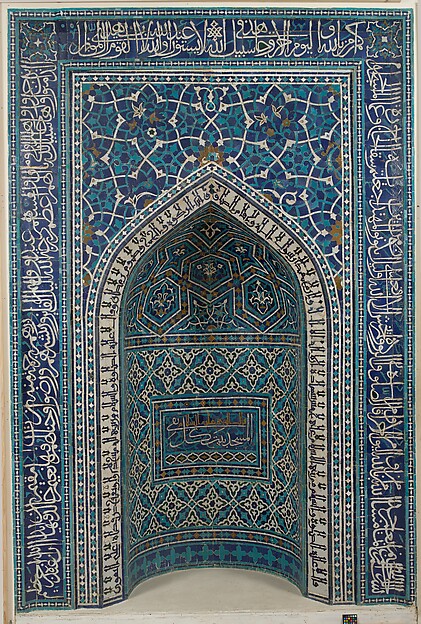
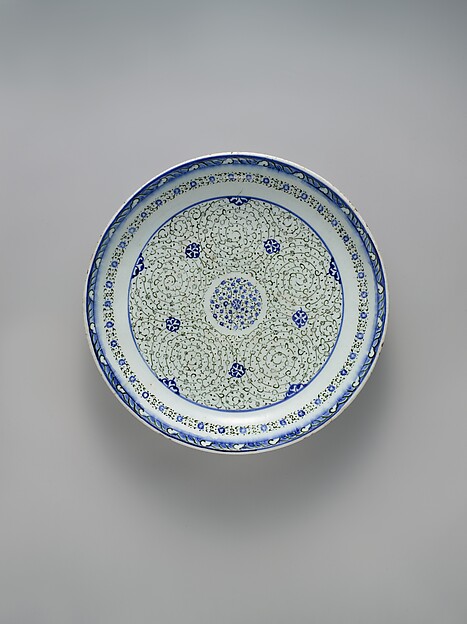
Iznik tile is a white-bodied ceramic decorated with the underglaze technique, produced by the Ottomans between the 15th and 17th centuries. Its golden age is the 16th century.
Why so prized? Because a transparent, hard glaze sits over the colour; since the design lies beneath the glaze it never wears, keeping its vividness for centuries.
Colours: Cobalt blue is the oldest. Turquoise, green and purple were added over time. After the 1550s the raised 'coral red' that became Iznik's signature appears; no other centre could match this red.
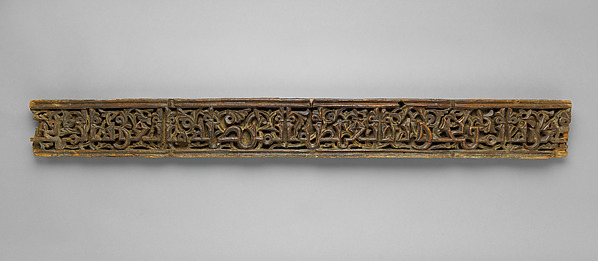
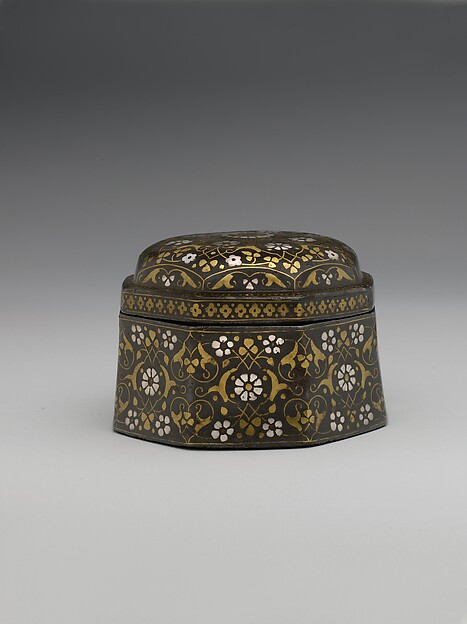
Motifs: The saz style (long serrated leaves), hatayi (stylised blossom), rumi, tulip, carnation and spring branches. The motifs are figure-free; endless repetition implies infinity.
Where is it seen? The Rustem Pasha and Sultanahmet mosques; the panels of the Arakiyeci Ibrahim Cavus Mosque are also examples of this tradition.
At Arakiye the Tilework & Illumination collection carries on this tradition with the underglaze technique; each panel is one of a kind.
Works inspired by Iznik tiles
Explore the Tilework & Illumination collection.