Ottoman Calligraphy Schools and the Great Masters
From Sheikh Hamdullah to Hafiz Osman: a short history of how calligraphy became an 'Istanbul style' under the Ottomans.
Arakiye Editor·7 July 2026·1 min read
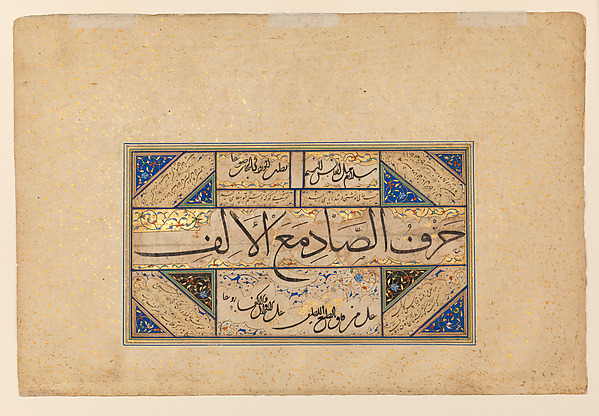
Ottoman calligraphy is a tradition that carried Arabic script to an aesthetic summit. The saying 'The Qur'an was revealed in the Hijaz, recited in Egypt, and written in Istanbul' captures this peak.
Sheikh Hamdullah (d. 1520): Regarded as the founding father of Ottoman calligraphy. He softened the proportions of Yaqut al-Musta'simi and gave the six scripts (aklam-i sitte) an Istanbul taste.
Hafiz Osman (d. 1698): Simplified and perfected Sheikh Hamdullah's style; his Qur'ans were taken as models for centuries.
Mustafa Rakim (d. 1826): Brought celi sulus and its composition (the interlocking of letters) to a new balance.
Ijaza: A calligrapher cannot sign work without an 'ijazetname' (diploma) from the master. This protects both the quality and the chain (isnad) of the art — a tradition of E-E-A-T.
Arakiye's calligraphy panels remain faithful to this tradition of proportion; each work is signed by its master.
Works inspired by Iznik tiles
Explore the Tilework & Illumination collection.