Arakiyeci Ibrahim Cavus: In the Wake of a Dream
A humble cap-maker's journey to Baghdad in the wake of a dream, the treasure he found in his own cellar, and the mosque that bears his name.
Arakiye Editor·21 June 2026·2 min read
The arakiye (takke) is a fine felt cap worn by dervishes and people alike; the arakiyeci (takkeci) is the master who makes it by hand. Our platform takes only its name from here, from such a master, Arakiyeci (Takkeci) Ibrahim Cavus.
Who he was: Ibrahim Cavus earned his living making caps; a modest, contented and devout man. His greatest wish was to have a mosque built.
The dream: As the story goes, a luminous elder told him in a dream, 'Your fortune is in Baghdad; at the Bridge Square find a date palm with a grapevine wound around it.' The dream returned three times. He sold what he had, travelled to Baghdad and found the palm and the vine just as described.
The encounter: There a watchman heard his story and laughed, telling his own dream: 'For years I have dreamed of a treasure in the cellar of a cap-maker named Ibrahim near the Topkapi walls in Istanbul; but who sets out for a dream?' In that moment Ibrahim Cavus understood the secret: the treasure he sought was in his own home.
The return: He returned, dug beneath his own cellar and found the gold the dream had pointed to. With it he built the mosque that today bears his name (1592, by its inscription).
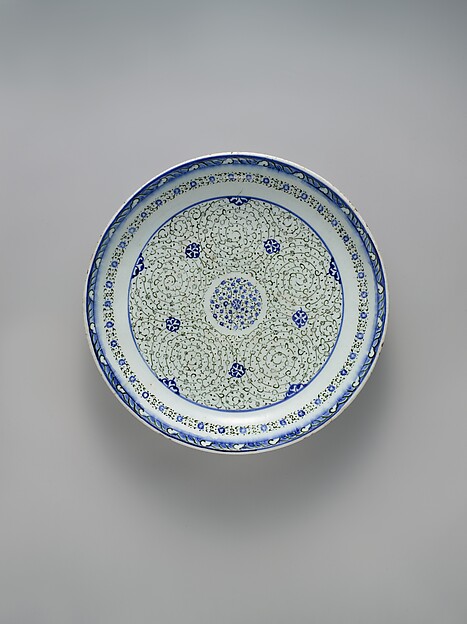
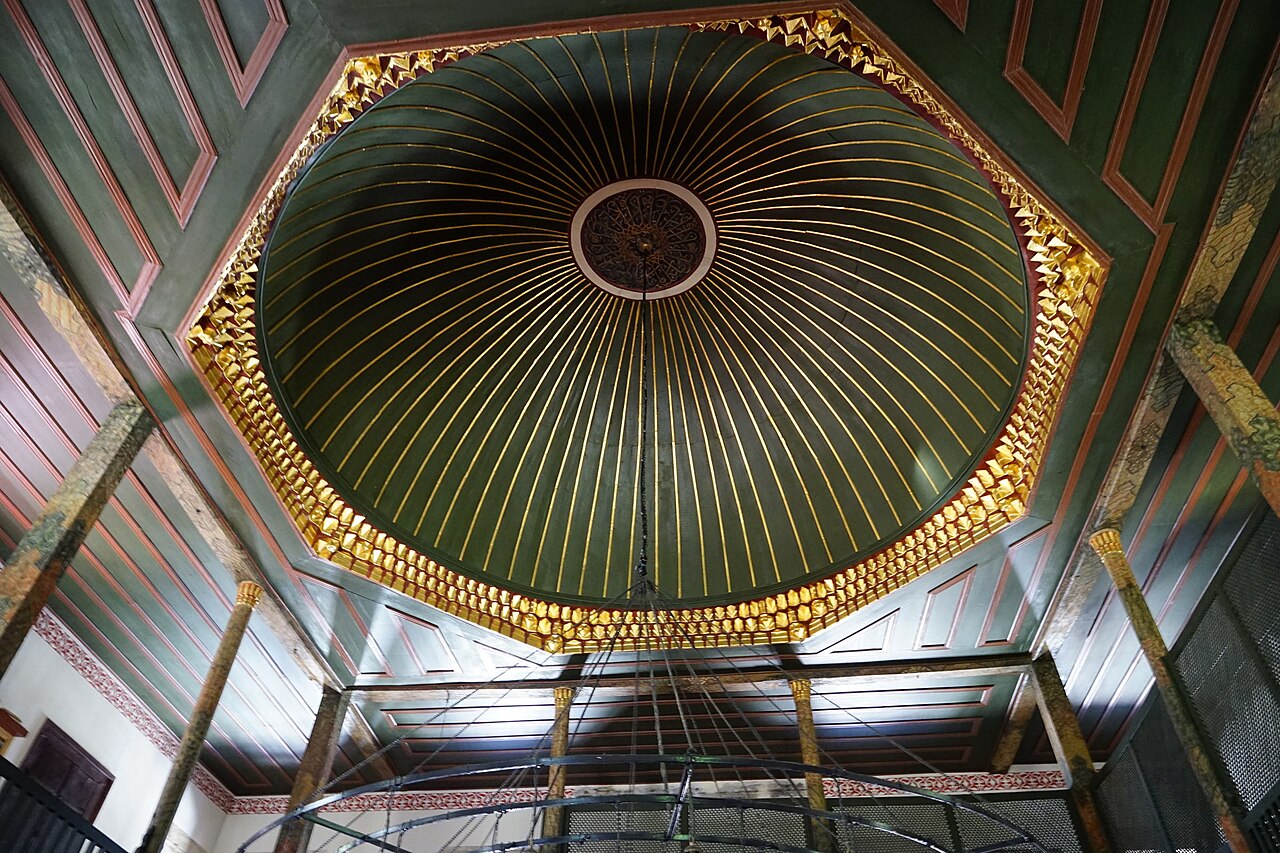
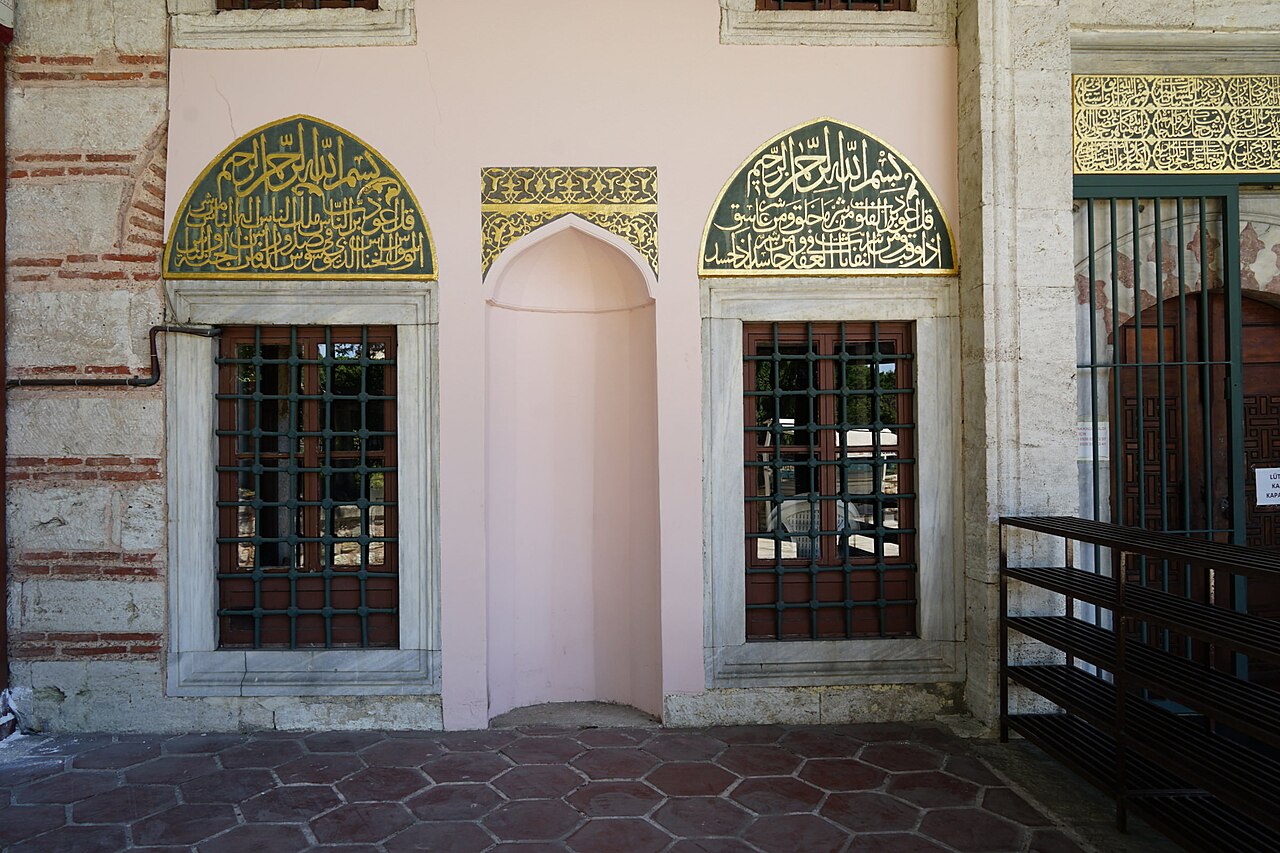
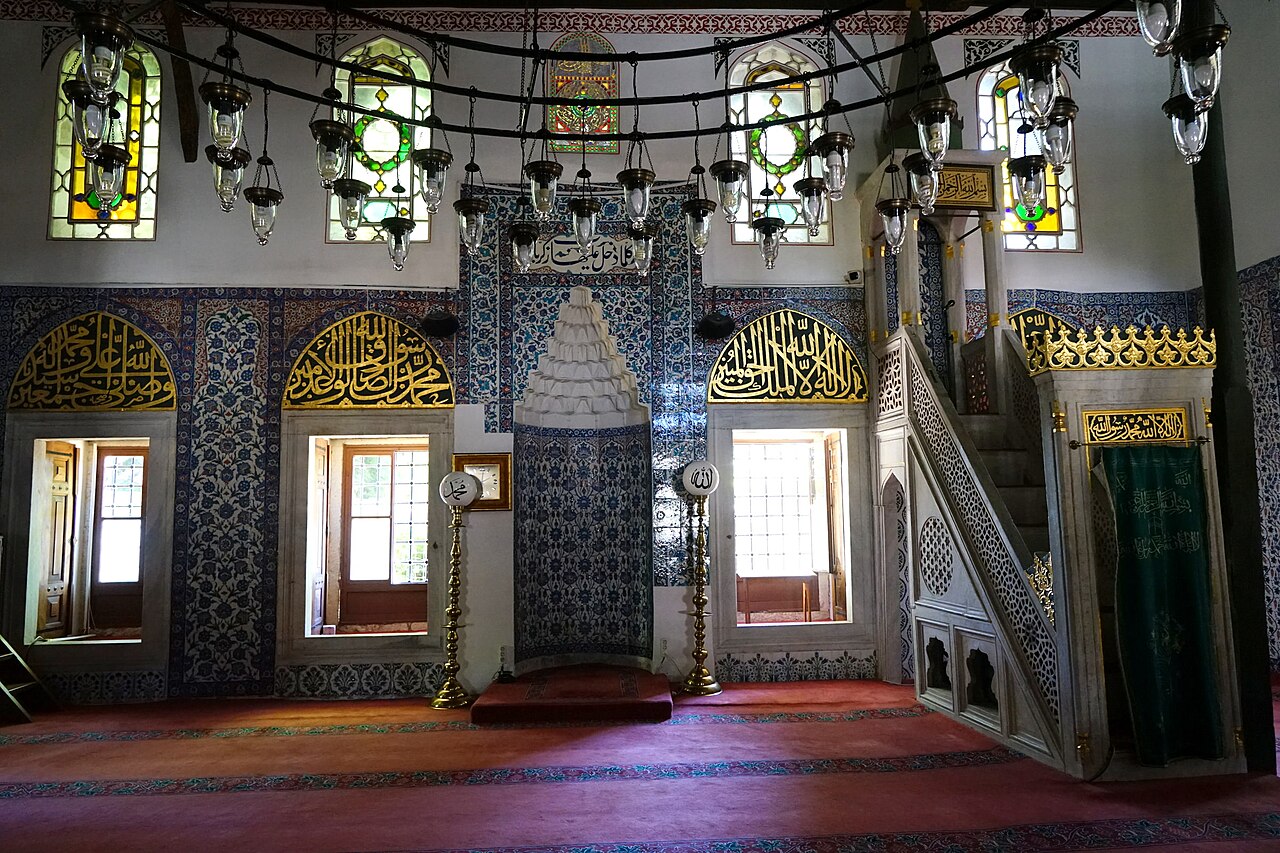
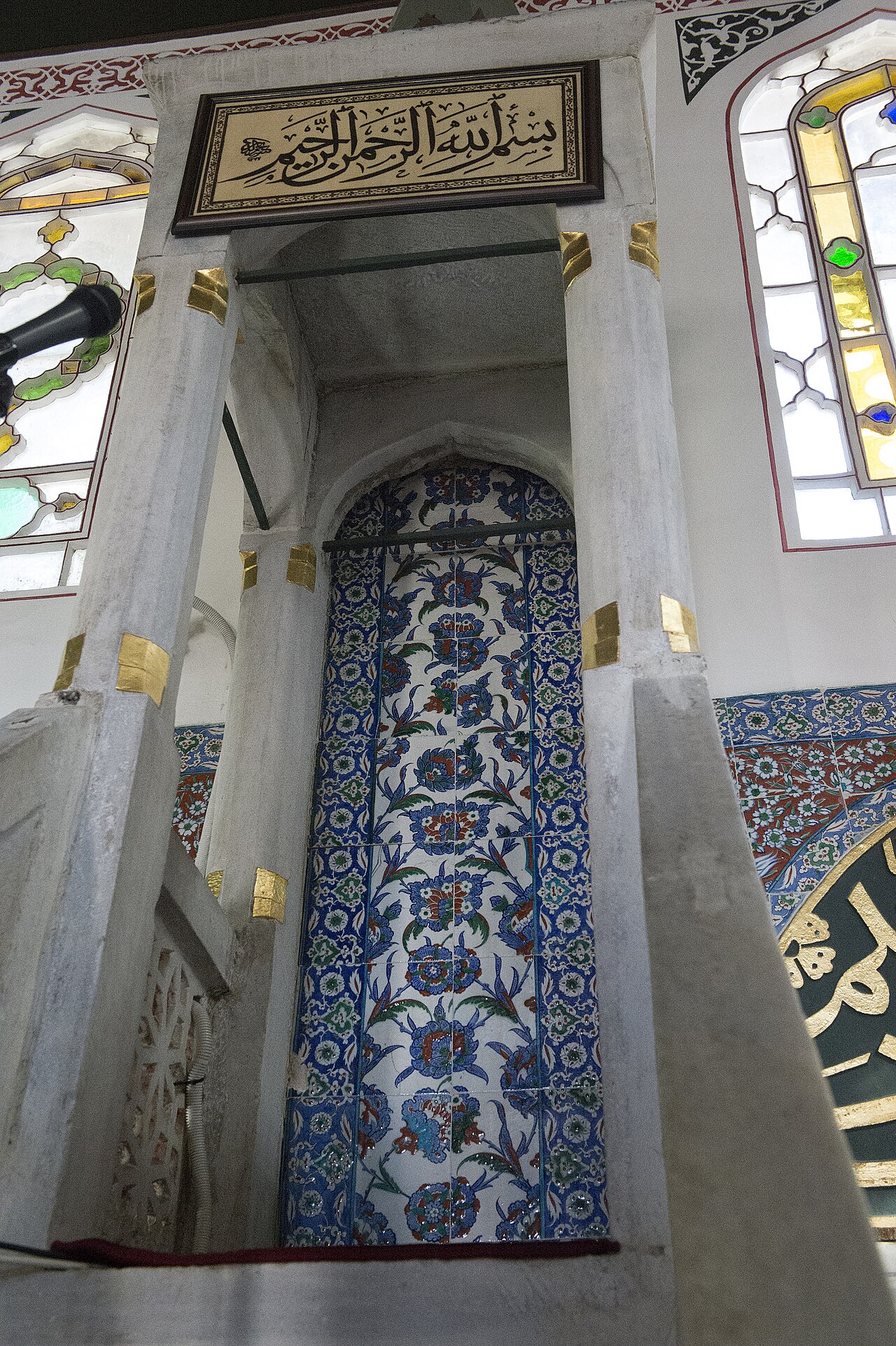
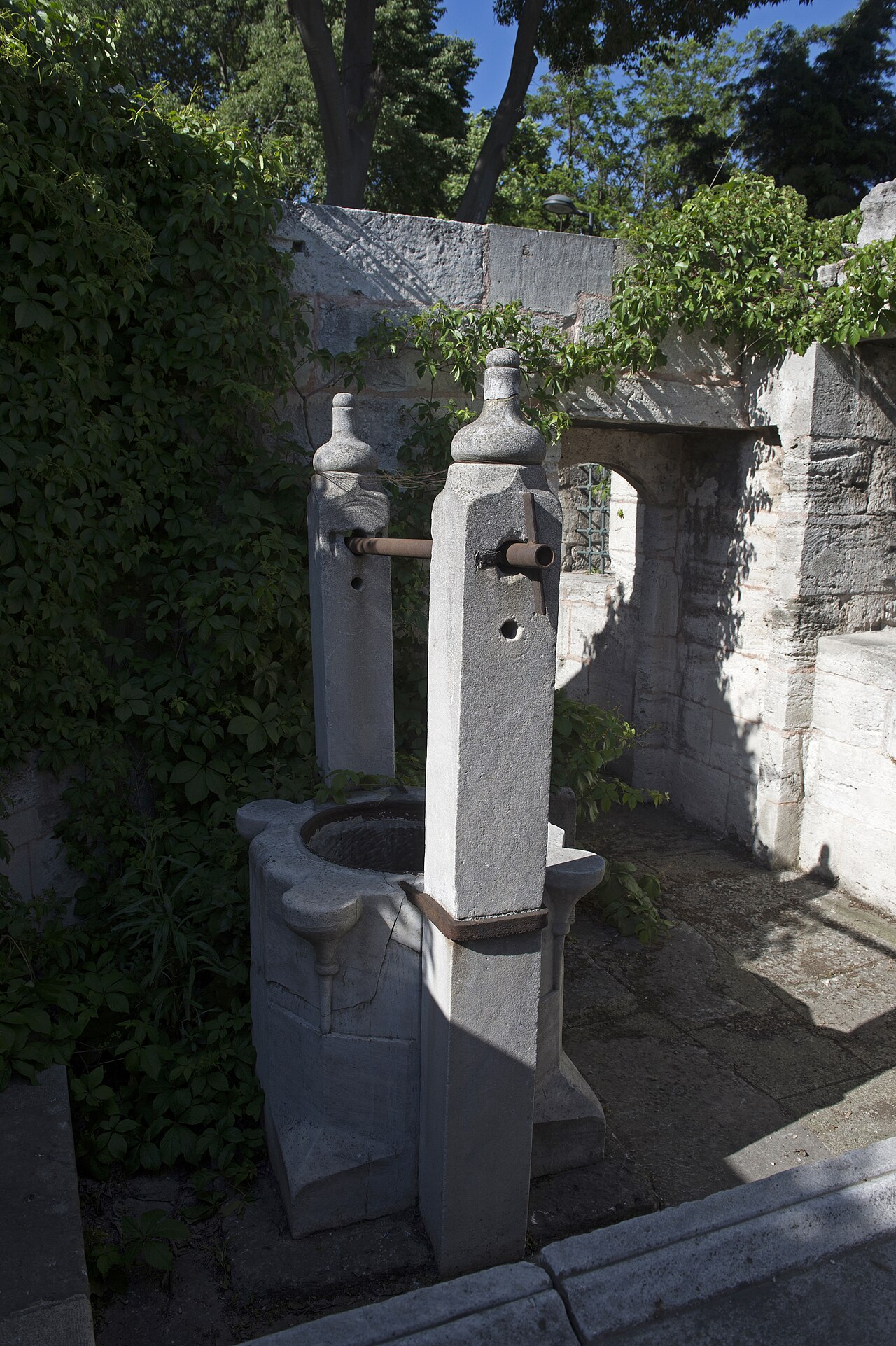
The complex: It is not only a mosque but a small complex with two sebils (fountains), a well, a primary school and a graveyard. Despite its modest size it is famous for two things: its original wooden dome on an octagonal drum, and the 16th-century Iznik tile panels (flowers, fruit and rumi) that cover nearly half its walls. Some tile panels are today in the Gulbenkian Museum, Lisbon. These tiles are one of the inspirations behind our Tilework and Illumination collection.
The Sufi secret: The real lesson is that the treasure was, from the very start, within his own home, within himself. The human being is the 'essence of the world' (zubde-i alem); the outward journey mirrors the inner journey toward knowing oneself.
Why this name? Because the story tells everything we believe in: handcraft, patience, purity of intent and trust. We inherited only the name, and we try to be worthy of it. At Arakiye every work is one of a kind; it comes with the master's signature, a certificate of authenticity and a verifiable digital passport.
Images: Mosque photographs from Wikimedia Commons (CC BY-SA 4.0).
Works inspired by Iznik tiles
Explore the Tilework & Illumination collection.