Why Is There No Figuration in Islamic Art?
Geometry, calligraphy and vegetal ornament instead of depiction: the subtlety and philosophy behind figure-free art.
Arakiye Editor·7 July 2026·1 min read
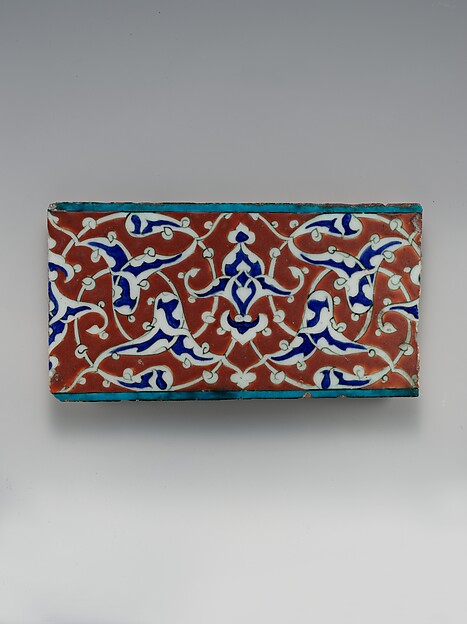
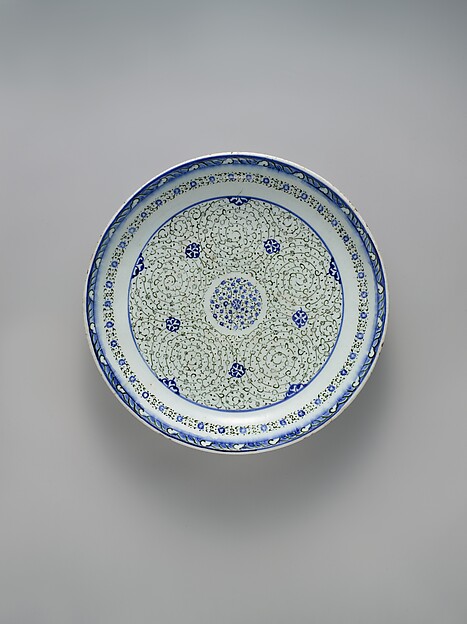
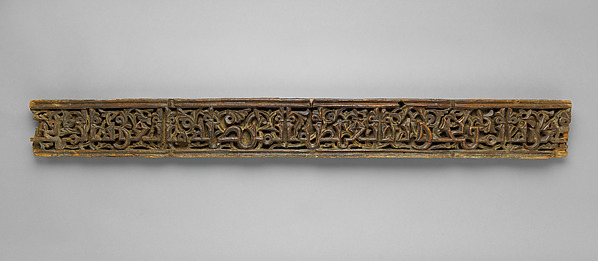
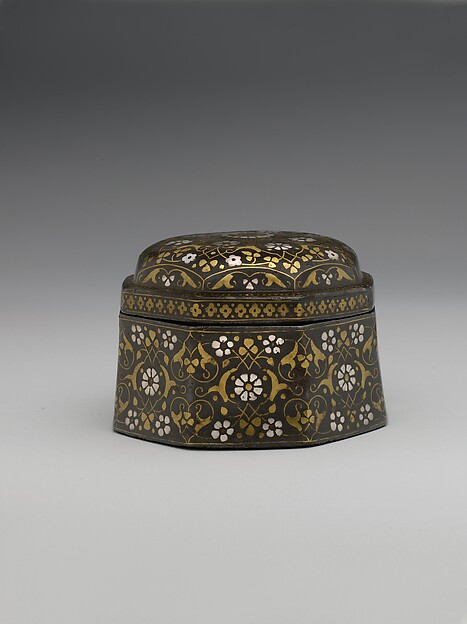
Islamic art is largely figure-free; that is, it avoids depicting humans and animals. In their place, calligraphy, geometry and stylised plants (rumi, hatayi) come to the fore.
Short answer: The aim is to avoid imitating the Creator in creation (the claim of 'giving life' in depiction) and to draw attention not to a concrete image but to an abstract beauty and meaning.
Why geometry? Endlessly repeatable geometric patterns imply infinity (and oneness); their centre and boundary are indeterminate.
Why is calligraphy central? Because the word (kalam) is held above depiction; the highest art is the very script that carries meaning.
Is this a limitation? On the contrary: the boundary drives the master to an infinite creativity. To fit a cosmos inside a single tile is harder than a picture.
Arakiye's entire visual language is faithful to this principle: figure-free, yet deep.
Works inspired by Iznik tiles
Explore the Tilework & Illumination collection.