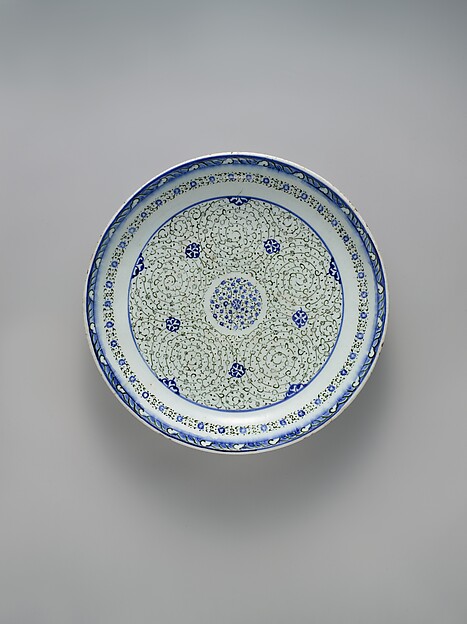
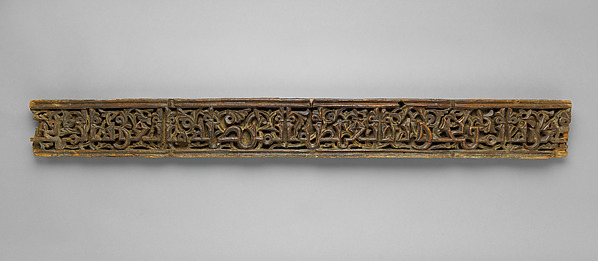
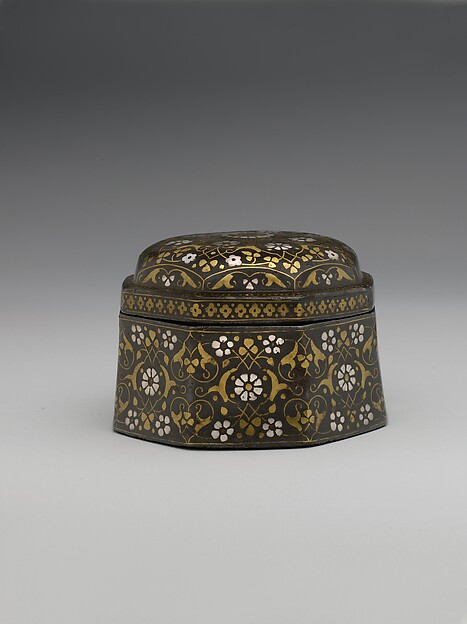
Rumi and Hatayi: The Two Core Motifs of Islamic Ornament
Two foundational motifs that form the language of every tile, illumination and wood ornament: rumi and hatayi. What sets them apart?
Arakiye Editor·7 July 2026·1 min read
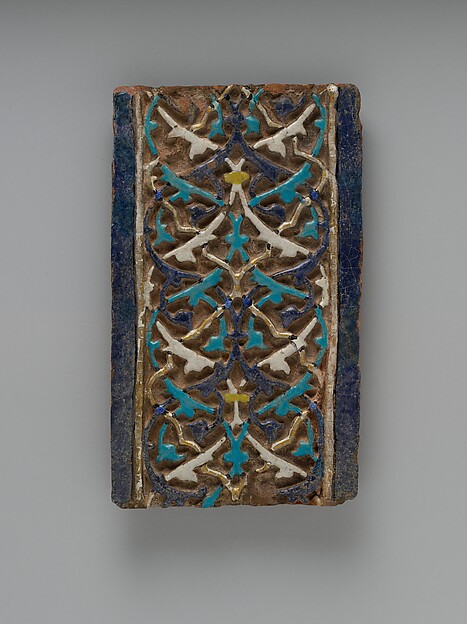
Classical Islamic ornament is largely built on two motif families: rumi and hatayi.
What is rumi? A curved, serrated motif whose origin lies in the animal body (wing, claw) but is fully stylised. It usually runs along an endless spiral (helezon). It is 'hard', architectural and skeletal.
What is hatayi? Stylised flowers and buds that came by way of China (Hita). It is 'soft', vegetal and organic; it often blossoms upon the curve of the rumi.
How do they work together? The two interlock: rumi builds the skeleton, hatayi blossoms upon it. This pair speaks the same language from an illumination heading to an Iznik tile.
Other motifs: Cloud (cintemani), semse (sun medallion), munhani.
At Arakiye these motifs are reinterpreted with the same grammar on wood, tile and paper.
Works inspired by Iznik tiles
Explore the Tilework & Illumination collection.